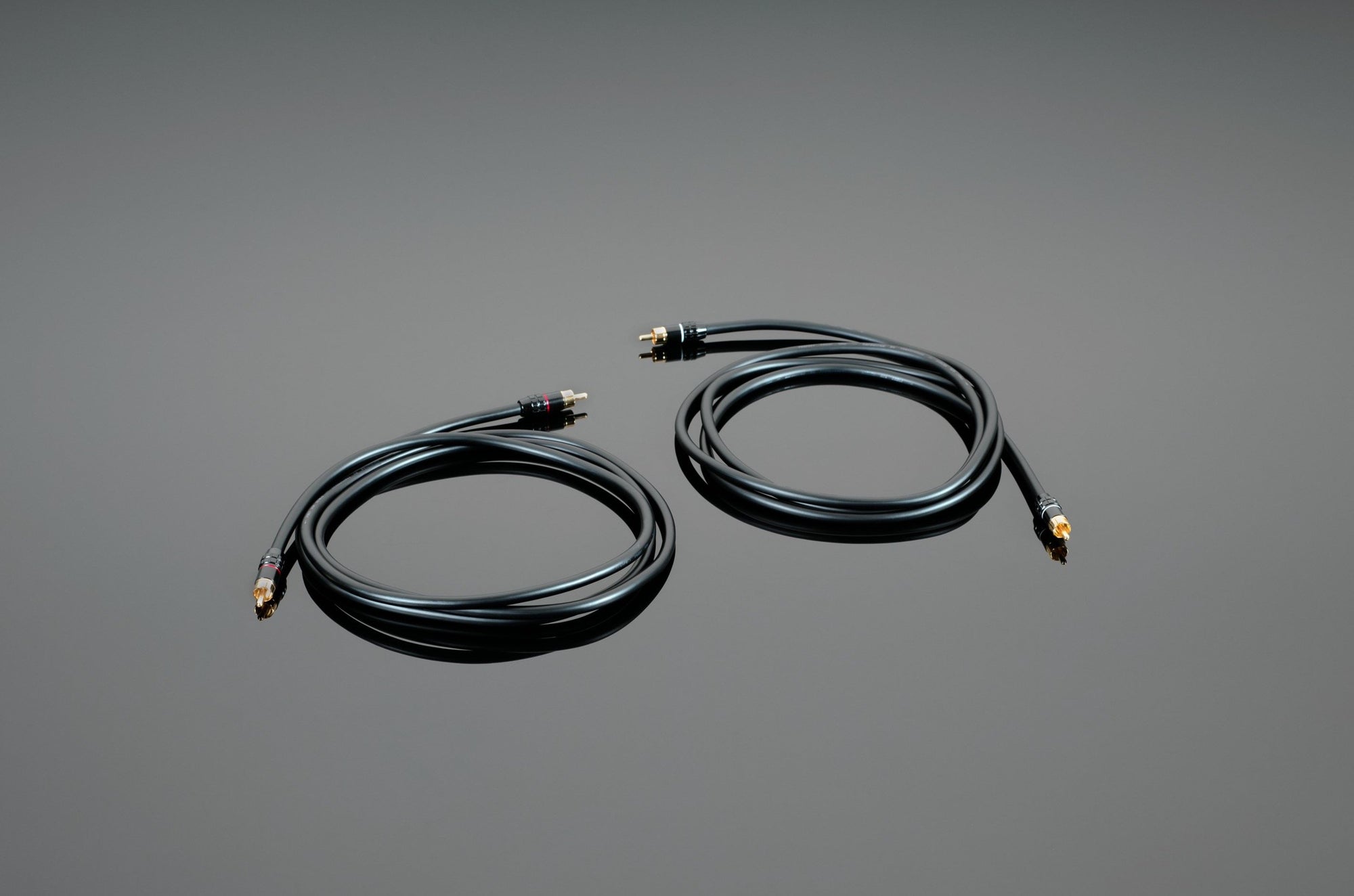
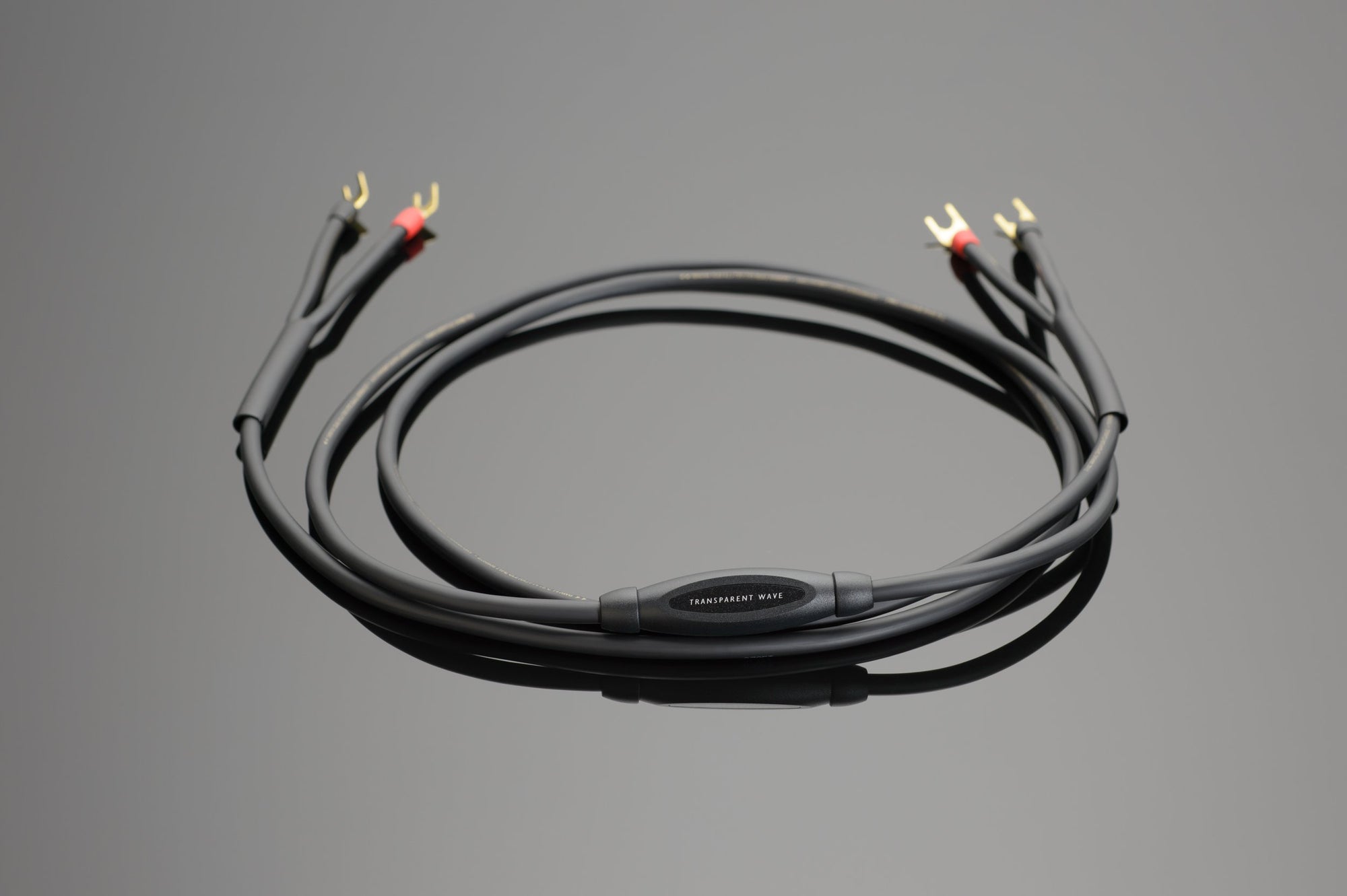
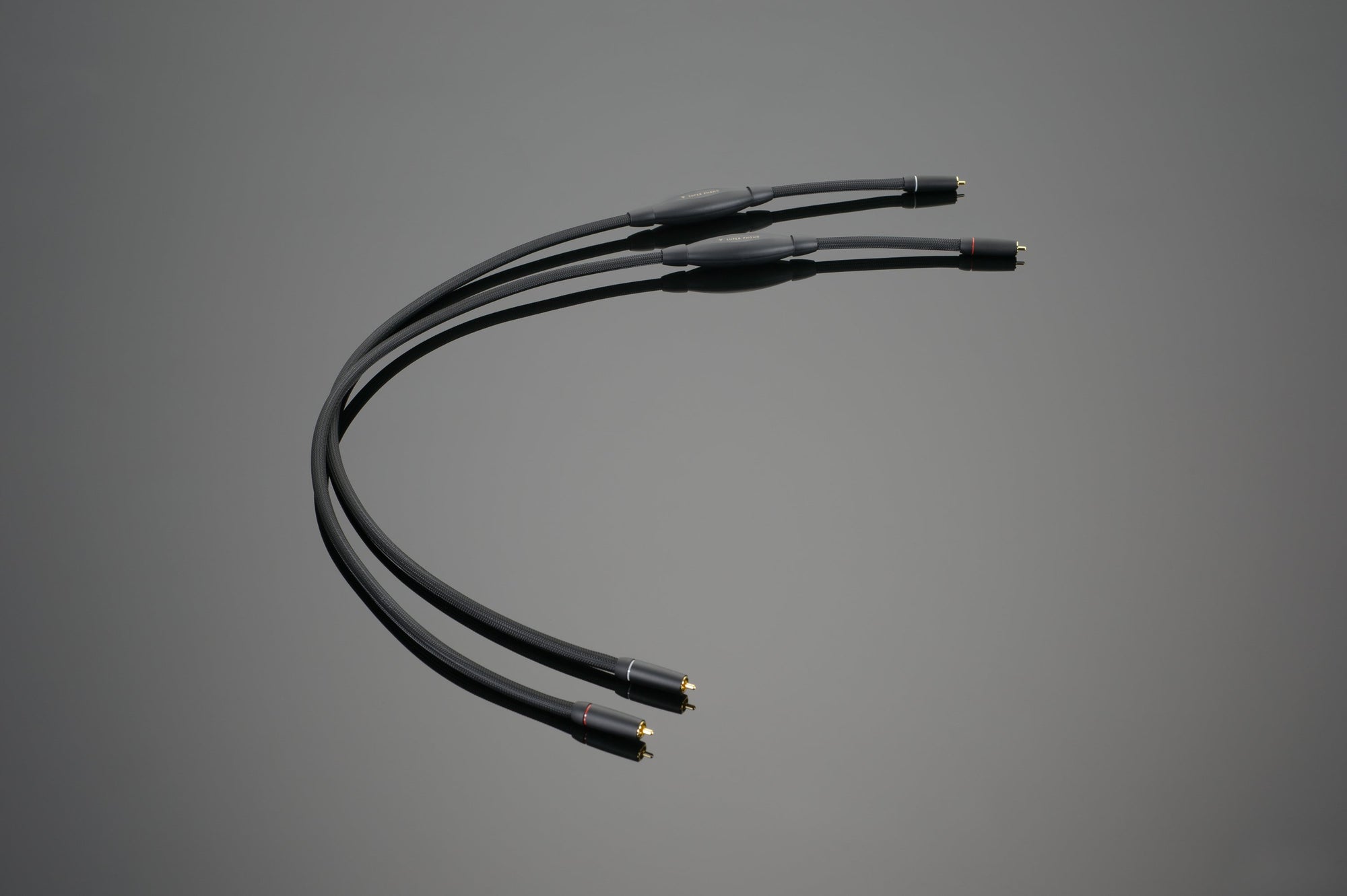
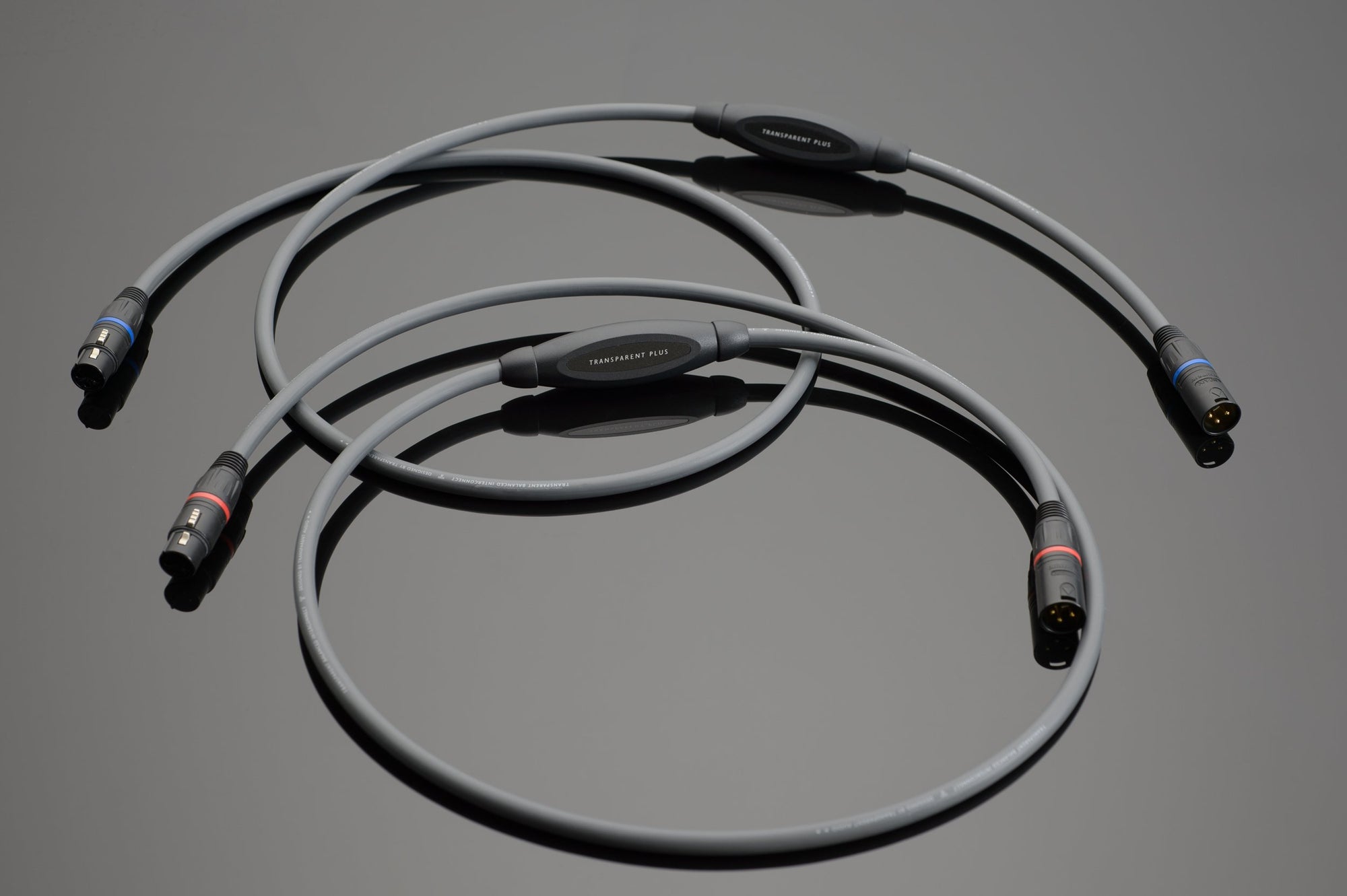
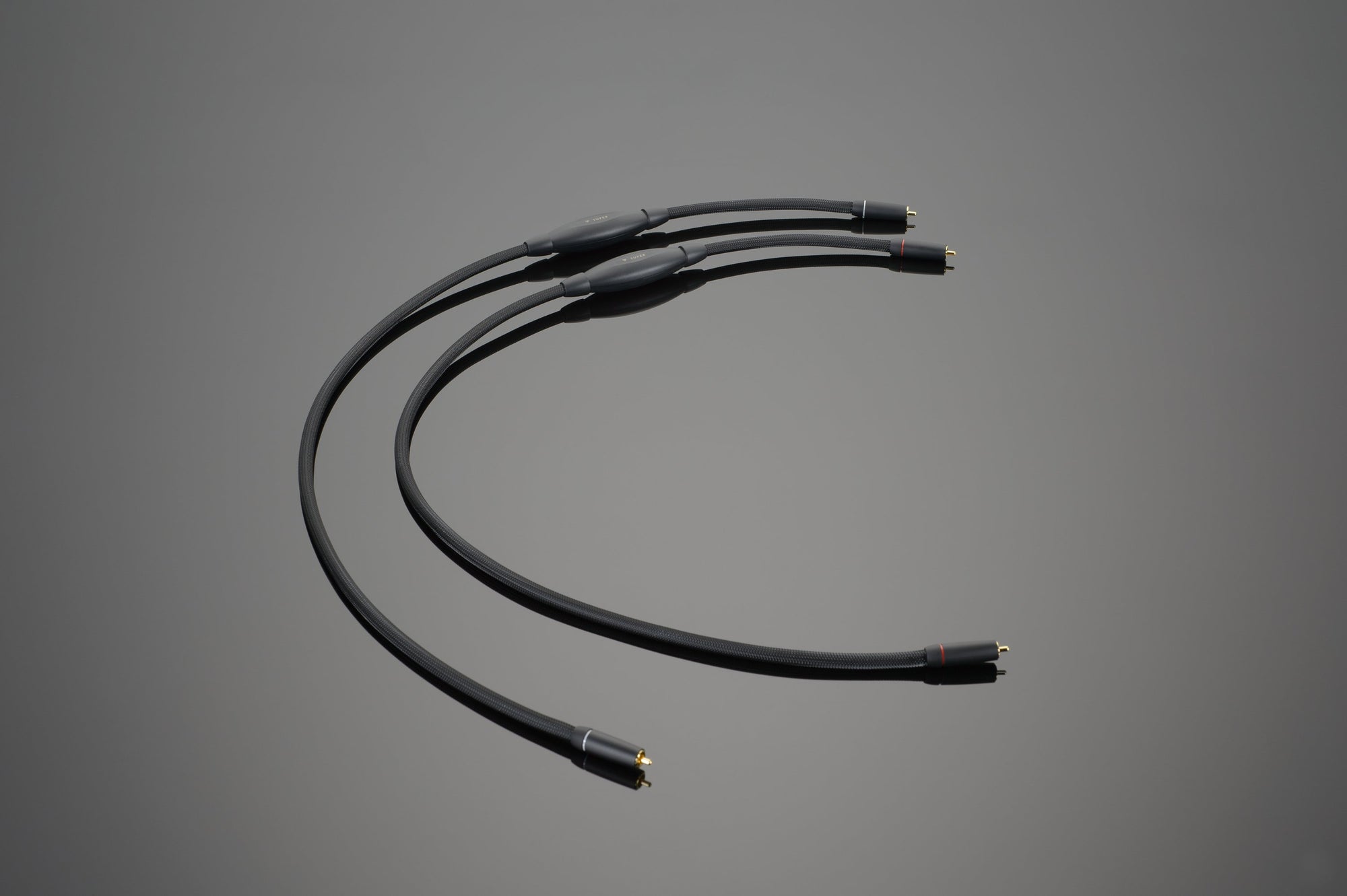
Transparent Audio Reference XL Tube Interconnect and Speaker Cable:

A New Path to Audio Nirvana

by Myles Astor
Ultimate Audio, September/October 1997, Vol.1, No. 3

Choosing an audio cable, be it of the interconnect, speaker or digital persuasion, often comes down to picking the lesser of two evils. Many qualities in cables appear to be mutually exclusive. For instance, it is a rare cable indeed that is tonally and harmonically rich but at the same time transparent, uncolored and accurate. Of the many cables that I've tried in my system, Transparent Audio's Reference XL speaker and interconnect series cables come the closest to realizing the age-old ideal of a perfect wire -- to be seen and not heard. (Some significant others may think the perfect cable is neither seen nor heard!)

RETRACING PAST STEPS

For the past three years or so, I've come to rely on Transparent Audio's Reference line cables for the bulk of my reviewing. Out of all the wires in my collection, the Transparent Audio Reference series of cables mated with the widest range of electronics and speakers. Back in Issue 100 of the abso!ute sound, I gave my thoughts on the Transparent's Reference Series interconnect and speaker cables. The Reference Series's low-level resolution, soundstaging and focus (especially in the lower octaves), and timing were incredibly addictive. Yet the Reference Series still had some room for improvement, most notably in areas of openness and linearity.

Then, just about the time I was getting ready to sit down and begin reviewing speakers for Issue 3 of Ultimate Audio, Karen Sumner, Transparent's President, sent me an eight-foot section of their new Reference XL tube speaker cable and shortly thereafter, the new Reference XL series interconnects. I should mention before proceeding any further that these cables, especially the interconnects, take a bit of time to bum in. Out of the box, the interconnects were quite bright; after 20 hours or so of playing, this brightness had largely disappeared, leaving cables that brought out the best qualities of the system, especially the Magnepan MG20s or the Martin-Logan reQuest speakers. (Unfortunately, the Acarian Adrianas are tri-wired and couldn't be used with the Transparent cables.)

BLAZING NEW TRAILS

There's no mistaking that the new Transparent XL series cable does some truly remarkable things. Take dynamics, for example. There was a newfound sense of unrestrained dynamic swell, particularly in the lower octaves, and ease through out the musical spectrum. No longer did I have to think about dynamics -- they were just there.

This was true of most of the cable's qualities: there was far more coherency from top to bottom. The new Reference XL series cables brought out the best of the midrange qualities of the Magnepan MG20 and Martin-Logan reQuest speakers. Using favorite and familiar piano recordings such as Bill Evans Trio at Shelly's Manne-Hole (OJC 263) or Oscar Peterson's West Side Story (DCC LPZ2021) as a gauge, the cables raised the naturalness, timing, low-level resolution and transparency of the reQuests and the richness, dynamic attack and body of the MG20s to new levels. Guitars and pipa (a lutelike instrument) on the newest Water Lilly recording of Martin Simpson's Music for the Motherless Child (Water Lilly WLA CS-49-CD) are rendered through the reQuests with an uncanny sense of tonal color, articulation, transient attack and lack of smearing!

Voices, in particular, were rendered with a newfound naturalness, sense of space and dimensionality. Take, for example, Sarah McLachlan's live, acoustic Freedom Sessions CD (Arista 07822 18784-2). With other cables, her voice is sometimes spitty, coarse and grainy. With the new XL cables, her voice is silky-smooth, especially in the upper midrange area, and rich but not overly sweet. Through the reQuests, there is an unmistakable feeling that McLachlan's voice is fuller -- a combination of greater low-level resolution and dynamic accents. By contrast, McLachlan's voice was a little bright and recessed with the earlier Reference cable, especially with the MG20s. The Transparent Audio Reference XL cables remedy this problem and open up the midrange to the point where that pane of glass between you and the singer is wiped clean.

Where the earliest generation of Transparent Reference cables really excelled was in the musical foundation -- the reproduction of low-frequency instruments such as double basses, tablas, timpani and bass drums. By comparison, other cables sounded thin and smeared and were unable to precisely place these instruments within the soundstage. The new Transparent XL surpasses the standards set by the first-generation Reference cables by a wide margin. Listen one more time to the bass guitar line on the "Elsewhere" track from Freedom Sessions. Not only do these cables have better low frequency extension, impact and fullness than the first generation of cables, but also a more articulate and textured sound. Through the MG20s, the bass guitar moved air like you'd expect live.

Upper octaves may be the area of great est controversy with the Reference XL series. Markedly more open, resolving and extended than the original Reference series, there is the tiniest loss of openness in the uppermost octave with the Reference XL cables. Still, the XL cable's ability to reproduce the shimmer and feeling of a cymbal's metal body without artificial enhancement greatly outweighs the aforementioned loss of openness. In addition, the ability to hear this loss is going to depend upon the speaker. On a speaker like the reQuests, you're really not going to pick up on it; it will take a speaker with the finest upper octaves like MG20s to hear this loss.

BUILDING A NEW SUPERHIGHWAY

Transparent Audio's Reference XL cables are, to quote Karen Sumner, "the highest expression of their cable technology." Work on the Reference XL series began in 1993. Thousands of person-hours of listening (many of which were carried out blind) to different state-of-the-art electronics and speakers enabled Transparent to develop a computer model that correlated sound (tonal balance, timbre, dynamics and space) with changes in the electrical characteristics of the cables. In the testing process, Transparent went beyond conventional static tests and used some highly sophisticated test bench equipment in the R&D stage of the Reference XL cables. Among the tools at their disposal were a digital high-speed impedance meter (for measurements over a broad frequency range) and a gain-phase analyzer (for dynamic impedance behavior under different test conditions).

Transparent found, much to their amazement, that they needed to control the electrical properties of their cables far more closely than ever imagined! In the latest XL Reference series, Transparent breaks new ground to control and cross correlate several critical electrical parameters such as resistance, capacitance, inductance and impedance to at least 0.01%. In fact, they can't construct speaker cables greater than 20 and 25 feet for tube and solid-state amplifiers, respectively, and still hope to control the critical parameters. Extremely small differences in capacitance, resistance, inductance and impedance profoundly affected musical timing (the way in which high frequencies are rolled off in the MHz region). Several nonlinear deviations, including brightness (piling up of energy), occur when these electrical characteristics aren't controlled. Transparent discovered that the brightness was traceable to timing rather than being a deviation in frequency response. It is worth pointing out that Jung, Marsh and Curl reached the same conclusions in their seminal paper on the sound of capacitors twenty-some years ago too. This trio pointed out that the brightness in many capacitors was not a frequency domain-related problem but actually distortion(s) that the ear perceived as brightness. And energy storage is just as big a problem in the design of cables as it is in capacitors!

Transparent also recognized that the choice of speaker cable is determined in part by the amplifier's output impedance. As a result, their Reference XL series speaker cables are specially "tuned" for either single-ended, tube or solid-state amplifiers. Each Reference XL Series cable takes approximately eight hours to manufacture; the electrical parameters of each cable (and between each channel) are measured and adjusted (as needed) roughly seven to eight times in the course of construction.

Only the highest-quality materials and parts are used to construct Transparent's Reference XL series cables. The speaker cable uses a very heavy gauge, oxygen-free copper wire coated with a polypropylene dielectric (According to Sumner, polypropylene is better for large signals-and far more flexible than Teflon). Transparent feels that the higher current-carrying capability of the heavier gauge is especially important in this age of megawatt amplifiers. The XL Reference interconnects also use oxygen-free copper wire, but coated with a Teflon dielectric.

REACHING NIRVANA

If you've invested in an ultimate audio system, then you owe it to yourself to try the new Transparent Audio Reference XL cables. These cables bring out the best qualities of state-of-the-art components and really allow them to strut their stuff.

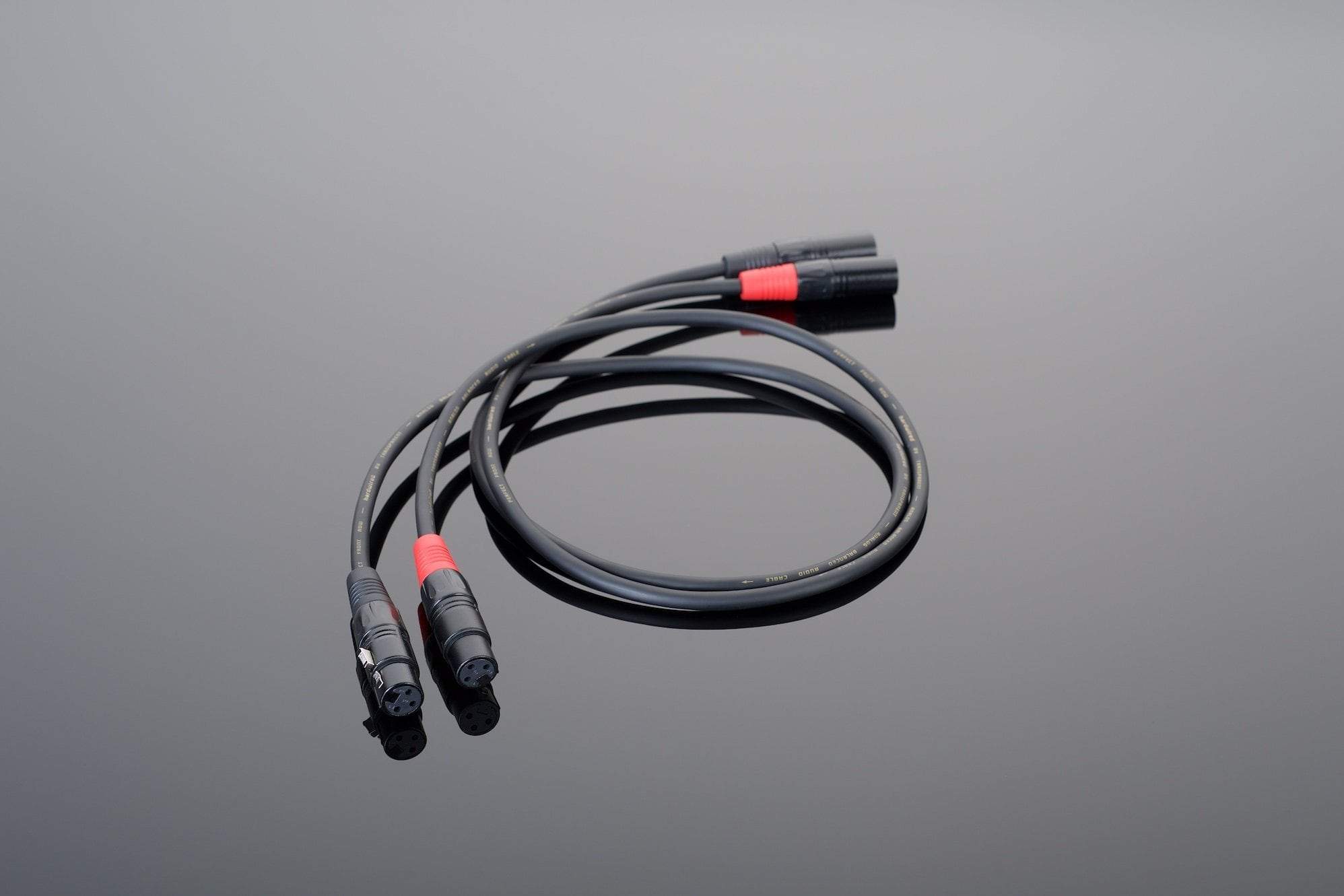
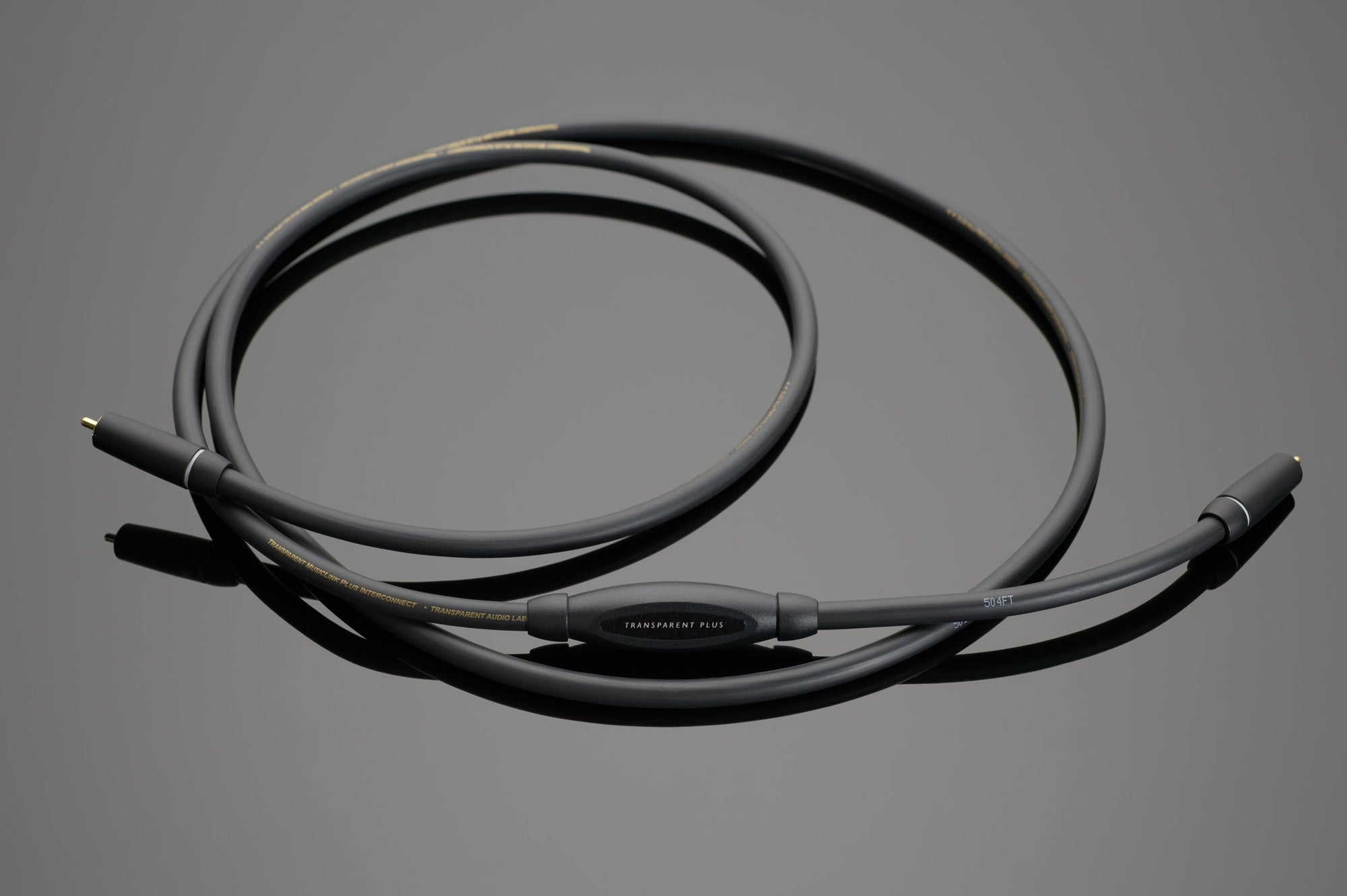
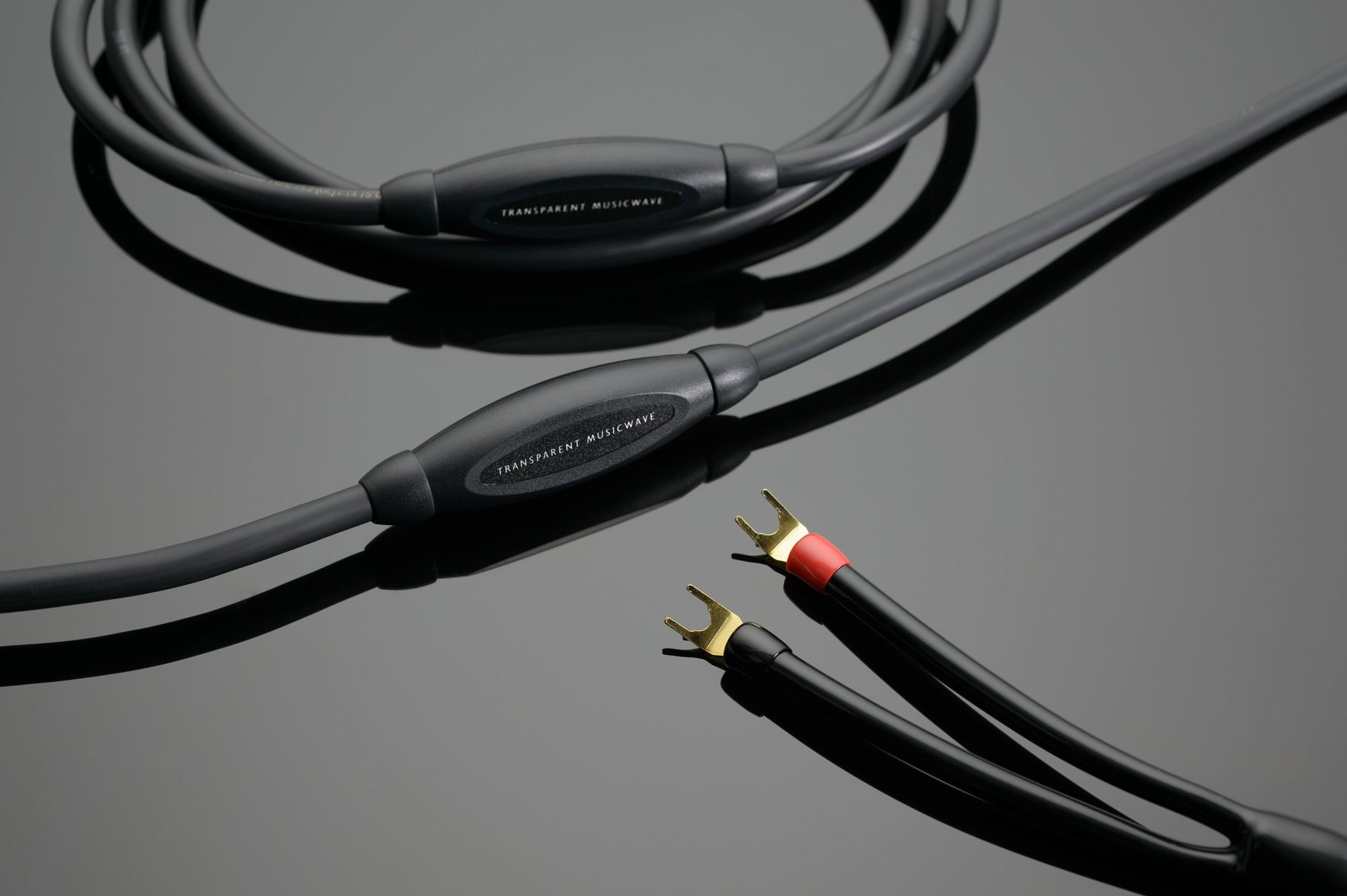
Transparent Audio Reference XL Tube Interconnect and Speaker Cables, Transparent Audio, Rt. 202, Box 117, Hollis, ME. 04042. Tel.: (207) 929-4553. Designer: Jack Sumner. Price, Speaker Cables: $9,800/8-foot pair (solid-state, tube or single-ended tube version); Unbalanced interconnects: $4,300 1-meter pair (solid-state, tube or high-impedance version); Balanced interconnects: $8,000/1-meter pair (solid-state, tube or high impedance version). Warranty: Reference XL cables have a lifetime original-owner warranty upon original owner registration.


SIDEBAR: Jack Sumner on the Use of Cable Networks

UA: What problems must a cable manufacturer address when designing an interconnect or speaker cable?

JS: Metallic cables act as an antenna and receive very-high-frequency electromagnetic energy Although the frequency of this energy is well outside the audio band, the inherent storage elements of the cable (inductive and capacitive) release degraded energy into the audio band. This "noise" masks low-level detail and adversely affects soundstaging.

UA: Do you face different problems when designing interconnect or speaker cables?

JS: The ratio of the input impedance of the load component to the output impedance of the source component is the basis for designing a network with proper amplitude and phase characteristics. There is more tolerance in networks when this ratio is large than when it is small. For this reason, it is easier to design most interconnects than it is to do most speaker cables.

UA: Do group delay measurements (the slope of the phase vs. frequency response curve) aid you in designing cables?

JS: Two cables with identical frequency response can sound very different. If harmonic information comes out of cable before the fundamental information, the cable will sound brighter.

There will also be a distortion of the soundstage. If high frequencies travel faster in a cable than low frequencies, a violin that is side-by-side with a bass will sound closer than the bass.

All frequencies are delayed in a cable. In a properly designed cable, all frequencies will be delayed the same amount of time. If two different frequencies enter the cable at the same time, they should leave the cable at the same time. A very important aspect of cable design is achieving equal group delay for all frequencies [true for all components -- ed.]. This should not be interpreted to mean that a network is essential to achieving equal group delay. Many cables without networks have excellent group delay characteristics.

UA: What effect does the choice of conductor material have on the sound of a cable?

JS: Metallic cables become capacitive and start resisting the passage of low frequencies sometimes as high as 1,500 Hz. This results in an unnatural balance of upper harmonics to lower harmonics and fundamentals. Some metals are worse than others in this respect.

UA: How does a network cable address the aforementioned problems?

JS: We chose to use networks in our cables because they can reduce the noise and lower the frequency at which the cable becomes capacitive.

UA: What tipped you off to the importance of closely controlling a table's electrical characteristics? How has this new technology been applied to the construction of lower-priced Transparent cables?

JS: It is more difficult to maintain proper phase and amplitude characteristics in a network as the frequency where the cable becomes capacitive (resonant point) is reduced. In our quest to further lower this frequency (which improves the naturalness of the harmonic response), we found that more variables had to be precisely matched. Because there is more tolerance in networks designed for higher resonant points, it did not become evident that so many variables should be matched. However, when we did more precise matching for the lower-priced cables, they sounded better.

Reprinted with permission of Ultimate Audio © Vol. 1, No. 3

Subscription information:
Half-year (5 issues):$7.95/Full year (10 issues): $14.95/ Two years (20 issues): $29.95.
Foreign (Canada): $24.95/year; Overseas: $39.95/year

Payment:
Check, MO or Visa/MC/AMEX to: 1 New York Plaza, Ste. 214, NYC, NY 10004
Please include expiration date with credit card orders.
(Or call or fax information to: 718-796-2825)


Top